



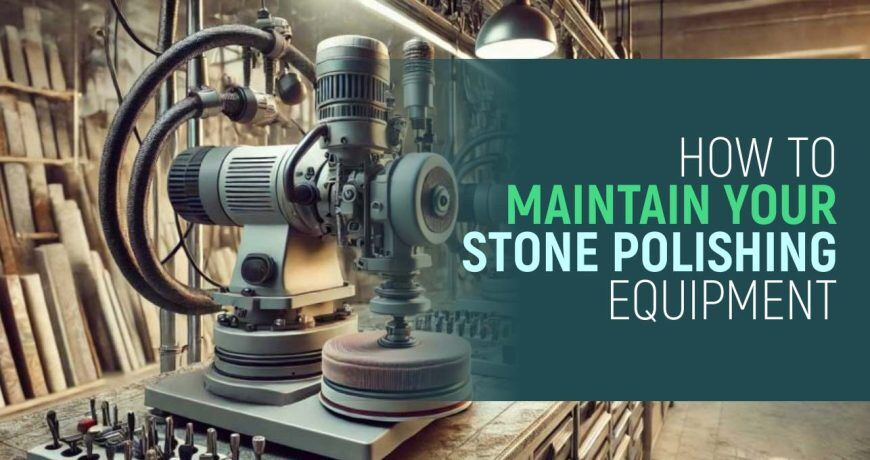
Maintaining Stone Polishing Equipment: A Comprehensive Guide
Proper maintenance of stone polishing equipment is essential for ensuring its longevity, optimal performance, and safety. Whether used for industrial stone surfaces or smaller residential projects, stone polishing machines require regular upkeep to produce the best finish on marble, granite, and other stone surfaces. By following a dedicated maintenance routine, companies and individuals can save time, reduce repair costs, and extend the life of their equipment. This guide will provide detailed insights and actionable steps for maintaining stone polishing equipment to keep it in top working condition.
Understanding the Basics of Stone Polishing Equipment
Stone polishing equipment typically includes grinders, abrasives, polishing pads, and water-fed polishing systems. Depending on the job, the equipment may vary in size and complexity, from handheld tools to large industrial machines. These machines endure significant wear and tear during polishing due to constant friction, heat, and dust production. Regular maintenance helps manage this strain, ensuring the equipment functions effectively while producing a high-quality finish.
Components of Stone Polishing Equipment
- Motor and Drive System: Powers the equipment, enabling effective grinding and polishing.
- Grinding Head and Abrasives: Often contain diamond segments or other abrasive materials that cut and polish the stone.
- Water Distribution System: Used in wet polishing to cool the surface and minimize dust.
- Dust Collection System: Captures dust and debris generated during dry polishing.
- Polishing Pads: Create a smooth, glossy finish on stone surfaces.
Each component needs careful attention during maintenance to ensure longevity and quality performance.
Why Regular Maintenance is Crucial
Maintaining stone polishing equipment goes beyond keeping it clean. Proper maintenance:
- Enhances Efficiency: Well-maintained equipment operates smoothly and completes tasks faster.
- Reduces Downtime: Regular checks prevent unexpected breakdowns, which can halt operations.
- Prolong Equipment Life: Proper care reduces wear and tear, extending the equipment’s life.
- Improves Safety: Ensures that all parts are in working order, reducing the risk of accidents.
Daily Maintenance Practices
Routine daily checks help maintain the equipment and catch minor issues before they become major problems. Below are daily practices for keeping stone polishing equipment in peak condition.
1. Inspect and Clean the Equipment After Each Use
After each session, make it a habit to:
- Wipe Down the Exterior: Remove any dust or debris on the surface of the equipment.
- Clear Dust from Moving Parts: Dust can accumulate in the motor housing, vents, and around the abrasives, especially with dry polishing equipment.
- Check Water Lines (if applicable): Ensure no blockages or leaks in the water distribution system, as efficient water flow is essential in wet polishing.
2. Examine Polishing Pads and Abrasives
Polishing pads and abrasives wear down after continuous use. Inspect the pads daily to ensure they are:
- Evenly Worn: Uneven wear can result in an inconsistent polish.
- Clean: Residue buildup can hinder their polishing efficiency. Clean pads with warm water and mild soap if necessary.
- Replaced When Necessary: Replace worn-out pads to maintain polish quality and avoid scratching the stone surface.
3. Lubricate Moving Parts
Lubrication is critical for reducing friction and maintaining smooth operation. Check the manufacturer’s guidelines, but typically:
- Lubricate Bearings and Moving Joints: Apply lubricant to the bearings, joints, and other moving parts as per the manufacturer’s recommendations.
- Avoid Over-Lubrication: Excess lubricant can attract dust and debris, leading to clogs and reduced efficiency.
Weekly Maintenance for Stone Polishing Equipment
In addition to daily maintenance, weekly checks allow for deeper cleaning and inspection of parts that may not need daily attention but still require regular upkeep.
1. Check the Motor and Power Cord
- Inspect the Motor: Ensure it runs smoothly without unusual noises or vibrations, which may indicate mechanical issues.
- Examine Power Cords and Connections: Look for frays or loose connections that could pose safety hazards or interrupt operation. Replace damaged cords immediately.
2. Clean or Replace Filters
Most polishing machines have dust and water filters to protect internal components.
- Dust Filters: Clean or replace dust filters weekly, especially if working in a dry environment. Clogged filters can cause overheating and reduce motor efficiency.
- Water Filters: In wet polishing, water filters should be checked and cleaned to ensure a consistent flow of clean water.
3. Inspect Belts and Chains
Belts and chains transmit power from the motor to the grinding heads. Over time, they can stretch, crack, or wear down.
- Check for Signs of Wear: Inspect the belts for cracks, frays, or loose tension.
- Adjust or Replace as Necessary: Loose or worn belts reduce polishing efficiency and can damage other parts of the machine.
Monthly Maintenance and Inspection
A more comprehensive inspection and service should be conducted once a month. Monthly maintenance includes detailed checks that extend the equipment’s life and prevent costly repairs.
1. Deep Clean and De-scale
Perform a deep clean of the equipment, focusing on parts that may not be reachable during daily or weekly maintenance. Use specialized equipment cleaners to remove buildup on the machine’s exterior and interior.
- De-scale Water Systems: If the water distribution system has been used frequently, calcium and mineral deposits may have built up. Use an appropriate descaling agent to keep lines clear.
2. Inspect Electrical Components
- Check Wiring and Connections: Ensure all wires are correctly insulated and connections are secure.
- Test Grounding and Circuit Breakers: Electrical issues can damage the machine or pose safety hazards. Use a multimeter to test connections and grounding.
3. Check and Calibrate Control Settings
Some stone polishing equipment has adjustable speed and pressure settings for different types of stone and polishing finishes.
- Calibrate Settings: Ensure the control settings function accurately and recalibrate if necessary to maintain precision in polishing tasks.
- Test Safety Features: Regularly test emergency stops and other safety features to ensure they work correctly.
Seasonal and Annual Maintenance
For companies and professionals who regularly rely on stone polishing equipment, seasonal and annual maintenance should be performed to assess the machine’s overall condition.
1. Replace Worn Components
Some parts wear out over time and should be replaced annually, such as:
- Grinding Heads: Grinding heads can wear down frequently, so replace them at least once a year or as the manufacturer recommends.
- Bearings: Bearings should be replaced periodically, as they can cause vibration and noise if they become worn.
2. Professional Servicing
Arrange for a professional service at least once a year. Trained technicians can inspect complex systems, recalibrate settings, and replace parts that may not be visible or accessible during routine maintenance.
Common Mistakes to Avoid in Equipment Maintenance
Understanding what not to do is as important as knowing what steps to take. Here are some common mistakes in maintaining stone polishing equipment:
- Neglecting Routine Maintenance: Skipping daily or weekly checks can lead to minor issues becoming major problems, resulting in costly repairs and extended downtime.
- Using Incorrect Cleaning Products: Some chemicals can corrode the machine’s parts or damage the polishing pads. Always follow the manufacturer’s guidelines.
- Overlooking Safety Features: Ensuring that all safety features are functional should always be a top priority. Never bypass safety components during maintenance.
- Ignoring Manufacturer Guidelines: Each type of stone polishing equipment needs specific maintenance. Refer to the user manual to understand unique requirements.

Frequently Asked Questions
How often should stone polishing equipment be serviced?
Routine maintenance should be conducted daily, with deeper inspections weekly and monthly. For optimal performance, professional servicing is recommended at least once a year.
What is the best way to clean polishing pads?
Use warm water and mild soap to remove residue buildup. Avoid harsh chemicals, as they may damage the pads.
How do I know if the motor needs maintenance?
Unusual noises, vibrations, or overheating indicate that the motor may require attention. Inspect it regularly and refer to the manufacturer’s maintenance guidelines.
Can I use any lubricant for the equipment’s moving parts?
Always use the lubricant recommended by the manufacturer, as different parts may require specific lubricants for optimal performance.
When should belts and grinding heads be replaced?
Inspect belts weekly for wear and tension and replace them as needed. Grinding heads may need replacement annually or as recommended based on usage.
Is it safe to skip water filter maintenance in wet polishing systems?
No, clean water filters regularly to prevent clogs. Dirty filters can reduce water flow, causing inefficient cooling and dust buildup.


