














Order Now
How to Choose Stone Polishing Equipment: A Comprehensive Guide
Selecting the right stone polishing equipment is essential for achieving professional, high-quality finishes on various stone surfaces. In this guide, we explore the factors to consider when choosing stone polishing tools, helping you make an informed decision for your next project.
Understanding Stone Polishing Equipment
Stone polishing equipment ranges from basic handheld devices to advanced industrial machines. Each tool and machine serves a specific purpose, whether for marble countertops, granite floors, or decorative stone sculptures. Here’s a breakdown of stone polishing equipment’s main types and considerations.
Factors to Consider When Choosing Stone Polishing Equipment
1. Type of Stone Material
Different stones have unique hardness, density, and porosity characteristics. For instance, granite requires high-power machines with diamond abrasives, while marble benefits from softer approaches. Knowing your stone type helps determine the right equipment.
2. Power Source and Portability
Choose between electric, pneumatic, or battery-powered tools. Electric tools are common and versatile, while pneumatic tools are better for wet polishing due to their lighter weight and safety features.
3. Speed and Variable Speed Control
Variable speed control is crucial, allowing you to adjust based on the polishing stage and stone hardness.
4. Dust Collection and Water-Feed Options
Stone polishing generates significant dust, especially with dry polishing. Consider tools with dust collection systems or water-feed options for improved safety and performance.
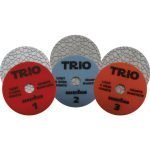
5. Type and Quality of Polishing Pads
Polishing pads vary in material, size, and grit levels. For example, diamond pads work well on harder stones, while resin-bonded pads are used for final finishes. Invest in quality pads for better performance.
6. Machine Size and Weight
Large machines provide power but may be challenging to handle. Handheld polishers are ideal for small projects and edges, while floor polishers cover large surfaces efficiently.
7. Durability and Build Quality
Durable equipment lasts longer, especially for professional use. Choose equipment with high-quality materials like stainless steel and heavy-duty plastic for longevity.
Types of Stone Polishing Equipment
- Handheld Grinders and Polishers: Great for detailed work on small areas.
- Angle Grinders: Robust and suited for heavy-duty grinding.
- Bench Polishers: Used in workshops for small stone items.
- Floor Polishers: Effective for large surfaces, offering high-gloss finishes.
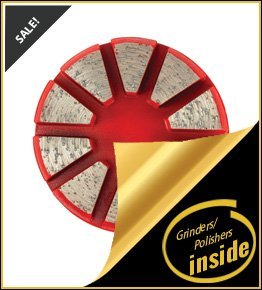
- Accessories: Including polishing pads, water-feed kits, and dust shrouds for added functionality.
The following categories will guide you in selecting the appropriate equipment for your project:


Top Tips for Using Stone Polishing Equipment Efficiently
- Start with the Right Grit Level and move to finer grits.
- Use Water Wisely when wet polishing to control dust and cool the stone.
- Apply Consistent Pressure to prevent uneven finishes.
- Move-in Overlapping Passes for a uniform look.
- Regularly Check Pads for wear to avoid scratches.
Frequently Asked Questions
What type of equipment is best for polishing granite?
Granite is a hard stone, so high-power machines with diamond abrasive pads are ideal. These tools can handle the hardness of granite and produce a smooth, polished finish.
Can I use the same equipment for marble and granite?
Not necessarily. Granite requires more abrasive power than marble, which is softer. Using high-power equipment on marble may damage its surface, so opt for equipment with variable speed control to adjust for different stones.
What is the difference between wet and dry polishing?
Wet polishing uses water to cool the stone, reduce dust, and improve pad longevity. Dry polishing is typically faster and more convenient for indoor use but requires effective dust collection systems to manage dust.
Which polishing pad grit levels should I use?
Start with 50-100 grit for initial grinding, progressing to 400-800 grit for smoothing, and finish with 1500-3000+ grit for a polished shine. Choose grit levels based on your stone and desired finish.
How do I maintain my polishing equipment?
Regularly clean and inspect pads for wear, check for dust buildup, and lubricate moving parts as needed—store equipment in a dry, safe location to avoid rust and damage.
Can I polish stone surfaces without prior experience?
While some handheld polishers are beginner-friendly, larger machines, especially floor polishers, may require training. If you’re new, start with handheld or smaller tools for better control.
How important is dust collection in stone polishing?
Dust collection is crucial for dry polishing, as stone dust can be hazardous when inhaled. For indoor projects, equipment with integrated dust shrouds or a dust extraction system is highly recommended.
Is it necessary to use water with all types of stone polishing?
Not always, but water can help cool, reduce dust, and achieve a finer finish. Wet polishing is especially beneficial for hard stones or long polishing sessions to avoid overheating.